




Saint Brigid of Ireland: History, Traditions and the Festival of Imbolc
Saint Brigid of Ireland is one of the country’s most loved and enduring figures, deeply woven into Ireland’s history, folklore, and seasonal traditions. Celebrated as both a Christian saint and a figure rooted in ancient Celtic belief, her story continues to shape Irish culture today—especially across County Down, Mourne Gullion Strangford, and the wider island of Ireland.
The Life and Legacy of Saint Brigid
Saint Brigid was born in 451 AD near Dundalk, County Louth. Her father, Dubthach, was a pagan Gaelic chieftain, while her mother, Brocca, was a Christian slave. Brigid was baptised by Saint Patrick, and the two later became close friends—a relationship recorded in the historic Book of Armagh, one of Ireland’s most important early manuscripts.
In 468 AD, Brigid founded Ireland’s first female monastic community, marking a groundbreaking moment in Irish religious history. Known for her generosity, compassion, and strong leadership, she devoted her life to helping the poor and sick. Despite limited resources, Brigid’s charity knew no bounds, and over time she became associated with healing, wisdom, and miraculous deeds.
Saint Brigid died on 1 February 525 AD, a date now celebrated as her feast day. She is buried in Downpatrick, County Down, alongside Saint Patrick and Saint Colmcille, remembered in the famous verse:
“In County Down, three saints one grave do fill:
Patrick, Brigid and Colmcille.”
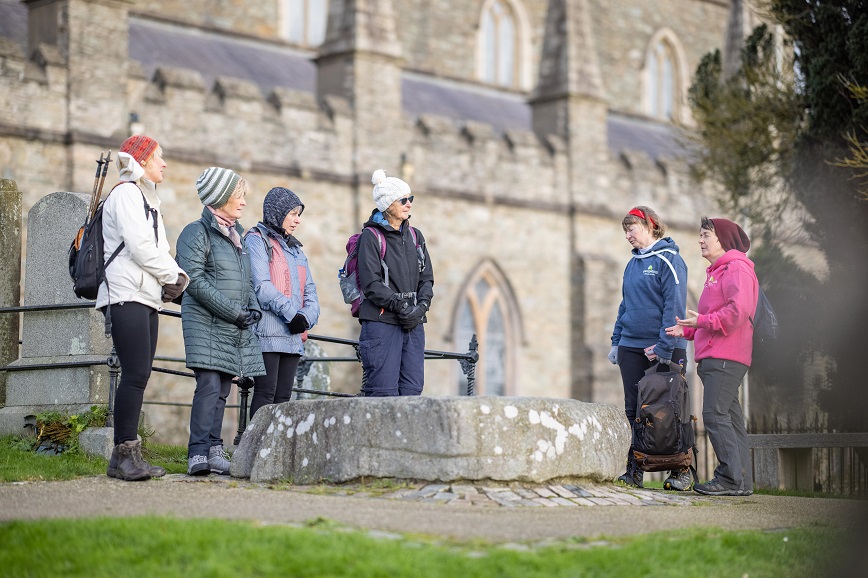
Saint Brigid’s Day (Lá Féile Bríde)
Saint Brigid’s Day, or Lá Féile Bríde, marks the beginning of spring in Ireland. Celebrated annually on 1 February, it honours Brigid as Ireland’s first female Patron Saint and signals a shift from winter toward longer days, light, and renewal.
Traditional celebrations include visiting holy wells, communal gatherings, and the making of Saint Brigid’s Crosses. These crosses—woven from rushes or straw—are traditionally hung in homes to protect against illness, fire, and bad fortune.
Imbolc: Ancient Celtic Roots of Renewal
Saint Brigid’s Day is closely linked to Imbolc, an ancient Celtic festival that celebrates fertility, light, and new beginnings. The word Imbolc comes from Old Irish, meaning “in the belly”, reflecting the early signs of life stirring beneath the winter landscape.
Before Christianity, Brigid was revered as a Celtic goddess of light, fertility, and renewal, and Imbolc marked a powerful turning point in the seasonal calendar. Today, Imbolc represents hope, creativity, and the promise of growth as winter begins to loosen its grip.
Celebrating Saint Brigid in Mourne Gullion Strangford
Across Mourne Gullion Strangford, Saint Brigid’s Day and Imbolc are celebrated through events that bring communities together and connect people with living heritage. Activities often include:
- Saint Brigid’s Cross making
- Traditional singing and storytelling
- Creative writing sessions
- Hands-on heritage crafts such as spoon carving and woodturning
These experiences are led by skilled local practitioners and are deeply rooted in the landscape, folklore, and traditions of the area.
Honouring Saint Brigid Today
Whether through attending local events or marking the occasion at home, Saint Brigid’s Day remains a meaningful moment in the Irish calendar. A simple and symbolic tradition is to light a candle on the night of 31 January, welcoming Brigid’s blessings of protection, renewal, and hope for the year ahead.
Grounded in history, nature, and community, Imbolc and Saint Brigid’s Day invite people of all ages to pause, reflect, and celebrate the return of light—standing at the threshold of spring in one of Ireland’s most culturally rich landscapes.
Keep an eye out for annual Saint Brigid’s Day events across Mourne Gullion Strangford and experience this timeless tradition for yourself.

Immersive, hands-on ancient Irish cultural heritage experience in the Saint Patrick Centre Downpatrick.
The Saint Patrick Centre is the only permanent exhibition in the World about Ireland’s Patron Saint. The History of Ireland starts here in Patrick’s words, which guide you through our amazing multimedia exhibition. Located 2 Hours north of Dublin and 35 minutes south of Belfast beside Saint Patrick’s Grave with a fantastic Craft Store and incredible Garden Cafe. This needs to be your first stop in Ireland.
Down Cathedral, a Cathedral of the Church of Ireland with magnificent stain glass windows, box pews and beautiful organ case was built in 1183 as a Benedictine Monastry. The patron saint, Patrick is believed to be buried in the nearby graveyard.